Blog

  • Why Explore Mars???

    Why Explore Mars???

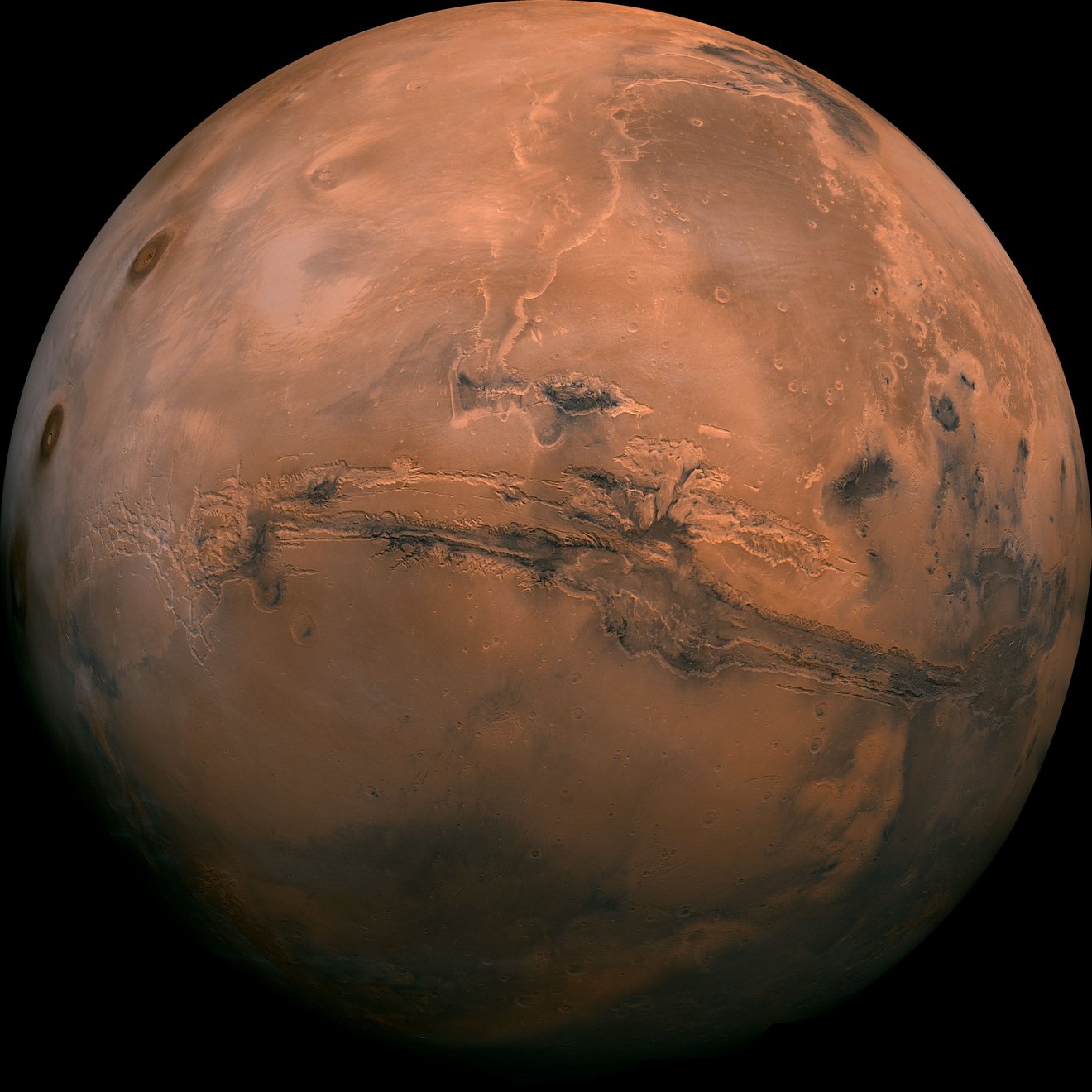
    Mars is a prime candidate for the search for extraterrestrial life due to its similarities to Earth and its potential for past or present habitability.

    Here’s a closer look at why Mars is so important in this quest and what efforts are underway to explore it:

    • Geological Similarities: Mars shares several geological features with Earth, such as polar ice caps, seasonal weather patterns, and evidence of ancient riverbeds and lake basins. These features suggest that Mars may have once had liquid water on its surface, a crucial ingredient for life as we know it.

    • Atmosphere: Although thin, Mars’ atmosphere is composed mainly of carbon dioxide with traces of nitrogen and argon, similar to Earth’s early atmosphere. The presence of water vapor and seasonal ice caps further complicates the picture of Mars’ climate and its potential to support life.

    • Past Conditions: Evidence from rovers and orbiters indicates that Mars had a much warmer and wetter past. The discovery of minerals like clays and sulfates, which form in the presence of water, supports the idea that Mars may have had habitable conditions billions of years ago.

    Key Missions and Discoveries

    1. Rovers: NASA’s rovers, including Curiosity and Perseverance, are crucial in searching for signs of past or present life. Curiosity has been exploring the Gale Crater, analyzing rock samples and searching for organic compounds. Perseverance is focused on the Jezero Crater, which is believed to be an ancient lakebed.

    2. Mars Sample Return: Future missions, including the Mars Sample Return (MSR) mission, aim to bring samples of Martian soil and rock back to Earth for detailed analysis. These samples could provide critical information about Mars’ potential for life and provide vital information to assist with future human missions to the planet.

    3. Missions by Other Agencies: The European Space Agency’s (ESA) ExoMars mission and the Tianwen-1 mission by the China National Space Administration (CNSA) are also contributing valuable data to the Martian exploration effort.

    What We’re Looking For:

    • Microbial Life: Scientists are primarily searching for microbial life or its remnants, as this is the most likely form of life that could have existed on ancient Mars.

    • Organic Molecules: Organic molecules, which are the building blocks of life, have been found in Martian meteorites and by some landers. Understanding their origin and distribution is crucial for assessing Mars’ habitability.

    • Signs of Habitability: Beyond direct evidence of life, researchers are also looking for conditions that could have supported life, such as ancient water sources, energy gradients, and stable climates.

    The Broader Implications:

    Mars continues to be a focal point in the search for life beyond Earth, with ongoing and future missions aimed at unravelling the mysteries of the Red Planet. The quest for life on Mars is not just about finding evidence of extraterrestrial organisms but also about understanding the conditions that could make a planet habitable.

    • Understanding Life’s Origins: Discovering life on Mars would not only address whether life exists elsewhere in the universe but could also provide insights into the origins of life on Earth.

    • Technological Advances: The technology developed for Martian exploration has broader applications, contributing to advancements in robotics, remote sensing, and environmental science.

    • Future Exploration: Mars exploration is a stepping stone for future missions beyond our Solar System. Understanding how to live and work on Mars could pave the way for human exploration of other planets and moons.

    Image Credit: NASA / JPL-Caltech
  • What is Astrophysics?

    What is Astrophysics?

    Astrophysics is a dynamic and interdisciplinary field within space science, that focuses on understanding the universe by applying the principles of physics and chemistry. It explores a wide range of cosmic phenomena and seeks to answer fundamental questions about the nature of the universe and our place within it.

    Key Areas of Astrophysics:

    • Stellar Astrophysics: Studies the life cycle of stars, from their formation in stellar nurseries to their evolution and eventual demise. This includes understanding different types of stars (like red dwarfs, giants, and supernovae) and phenomena such as pulsars and black holes.

    • Planetary Science: Investigates the formation, composition, and dynamics of planets, moons, and other bodies in our solar system and beyond. This includes studying exoplanets and their potential for supporting life.

    • Galactic Astrophysics: Examines the structure and dynamics of galaxies, including our own Milky Way. This area explores the formation and evolution of galaxies, the role of dark matter, and interactions between galaxies.

    • Cosmology: Focuses on the large-scale structure and evolution of the universe as a whole. This includes studying the Big Bang, cosmic inflation, dark energy, and the overall geometry and fate of the universe.

    • High-Energy Astrophysics: Investigates energetic phenomena such as gamma-ray bursts, black holes, and neutron stars. This field often involves understanding the behaviour of matter under extreme conditions.

    • Exoplanetary Science: Looks at planets outside our solar system, exploring their properties, atmospheres, and potential habitability. This involves techniques like transit photometry and radial velocity measurements.

    Relationship with Astronomy and Cosmology

    • Astronomy: Astronomy is often considered the observational counterpart to astrophysics. While astronomy focuses on the collection and analysis of data from telescopes and other instruments, astrophysics interprets these data using physical theories and models. Astronomy includes the study of the positions, motions, and properties of celestial objects.

    • Cosmology: Cosmology is a subfield of astrophysics that specifically deals with the large-scale structure and origin of the universe. It overlaps with astrophysics in areas like the study of the cosmic microwave background radiation and the expansion of the universe. Cosmologists use astrophysical models to understand the universe’s evolution from the Big Bang to its current state.


    Techniques and Tools

    1. Observational Techniques: Astrophysicists use various types of telescopes (optical, radio, infrared, X-ray, etc.) to gather data from different wavelengths. Observations are critical for studying celestial objects and phenomena.

    2. Theoretical Models: Developing and testing models is central to astrophysics. These models use principles from physics and chemistry to simulate and understand cosmic processes. Computational simulations play a significant role in predicting and interpreting astrophysical phenomena.

    3. Laboratory Experiments: In some cases, experiments on Earth can help understand cosmic processes. For example, particle accelerators and detectors can simulate conditions similar to those found in space.

    Notable Achievements and Questions

    • Black Holes: The study of black holes has led to significant insights into general relativity and quantum mechanics. The first image of a black hole’s event horizon, captured by the Event Horizon Telescope, was a landmark achievement in this field.

    • Dark Matter and Dark Energy: These mysterious components make up most of the universe’s mass-energy content. Astrophysics explores their effects and seeks to identify their nature.

    • Origins of the Universe: Understanding the Big Bang and the subsequent evolution of the universe remains a central question. Observations of the cosmic microwave background and large-scale structure provide clues to this early history.

    Astrophysics is a continually evolving field that bridges observations with theoretical understanding to unravel the universe’s mysteries. By integrating data from various sources and applying physical laws, astrophysicists strive to paint a comprehensive picture of the cosmos, from the tiniest particles to the largest structures.

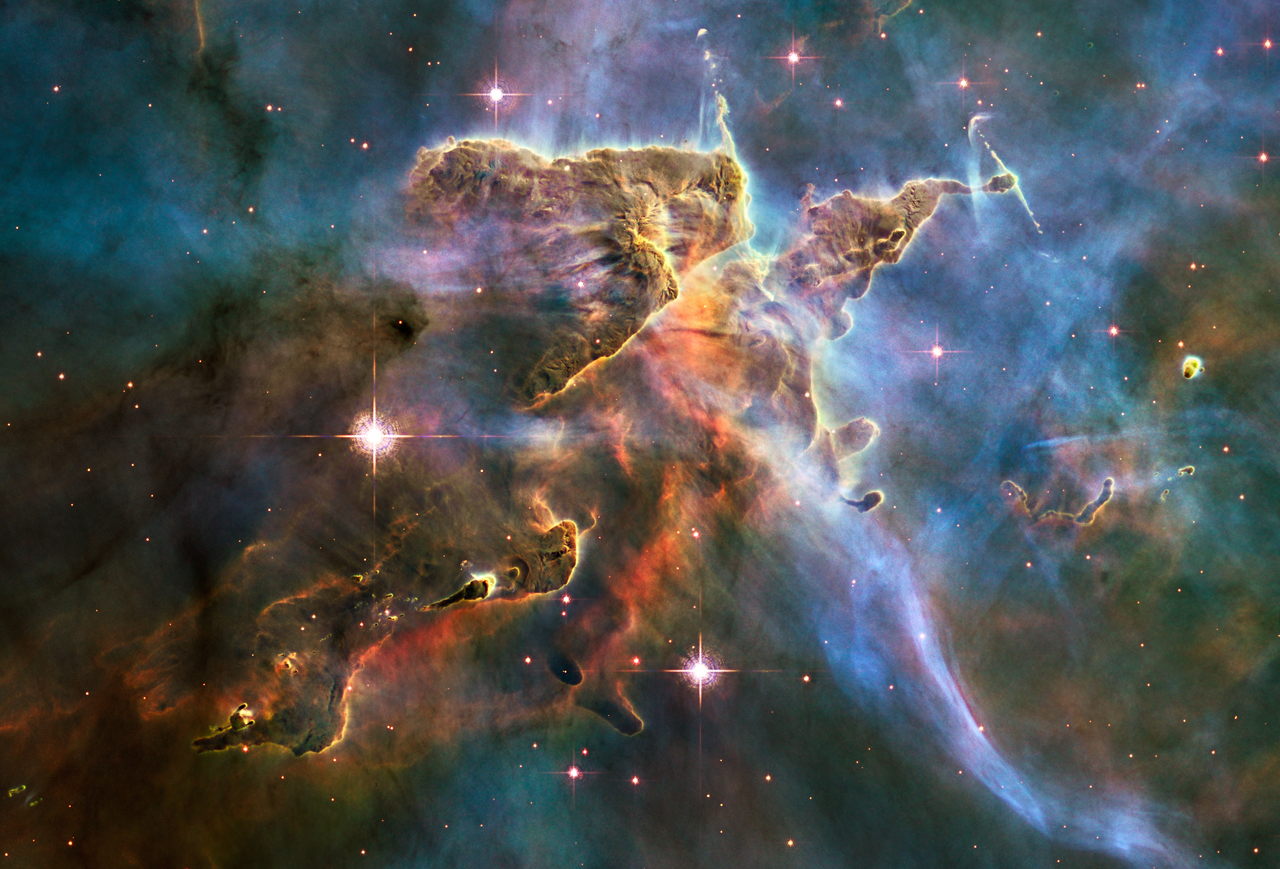
    Image Credit: Eta Carina NASA

  • Welcome to “Cosmic Teacup”!

    Welcome to “Cosmic Teacup”!

    A perfect spot to blend relaxation with cosmic curiosity over a relaxing cuppa. Whether you’re interested in the latest Mars rover updates, the mysteries of black holes, or just how space exploration technology influences on our everyday lives, you’ve come to the right place.

    There’s always something new and exciting to explore.

    Recently, there’s been a lot of chatter about:

    • James Webb Space Telescope (JWST): JWST has been making headlines with its stunning images of distant galaxies and exoplanets. Its observations are reshaping our understanding of the early universe and the formation of stars and planetary systems.

    • Solar Activity: The Sun has been showing increased activity recently, with a notable uptick in solar flares and coronal mass ejections (CMEs). These events can impact space weather and have implications for satellite operations and even power grids on Earth. Additionally, this increased activity has resulted in spectacular Auroras that many across the globe have seen for the first time.

    • Artemis Program: NASA’s Artemis program is gearing up for its lunar missions, aiming to return humans to the Moon and eventually establish a sustainable presence. The upcoming Artemis II mission scheduled to launch no earlier than September 2025, will be the first crewed flight of the Space Launch System (SLS) and Orion spacecraft, and is a key milestone .

    • Exoplanet Discoveries: New exoplanets are being discovered at a rapid pace, with some of the latest findings suggesting potentially habitable conditions on planets within the habitable zones of their stars.

    • Space Tourism: Companies like SpaceX, Blue Origin, and Virgin Galactic are advancing their space tourism efforts, with new developments in suborbital and orbital flights. This sector is evolving quickly and could soon become a regular part of the space industry.

    • Peer-Reviewed Papers: Recent papers have tackled everything from dark matter and dark energy to the detailed study of gravitational waves. For example, new research on gravitational wave detections is providing insights into the nature of black hole mergers.

    Is there a particular topic you’d like to delve into more deeply? If so, let us know in the comments.

  • Two Dragons are getting ready to spread their wings.

    Two Dragons are getting ready to spread their wings.

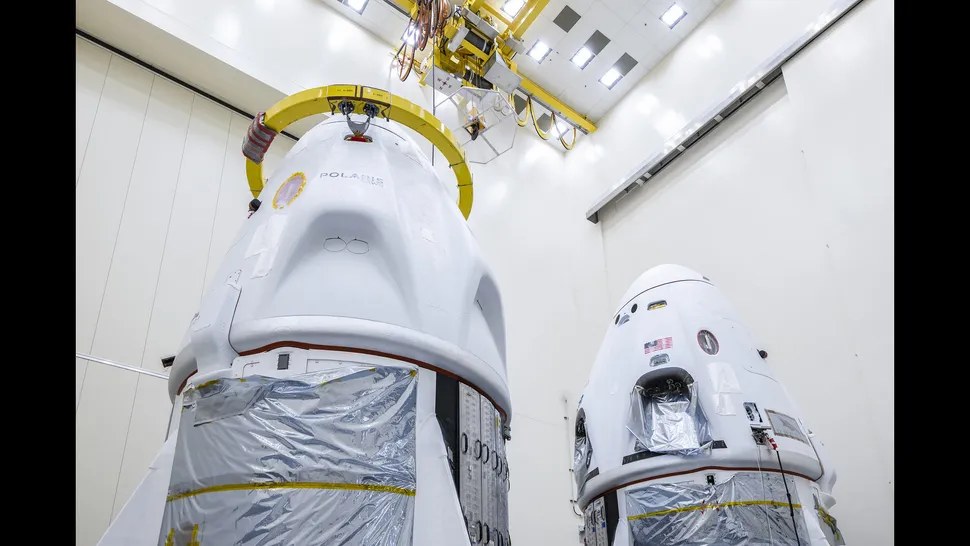
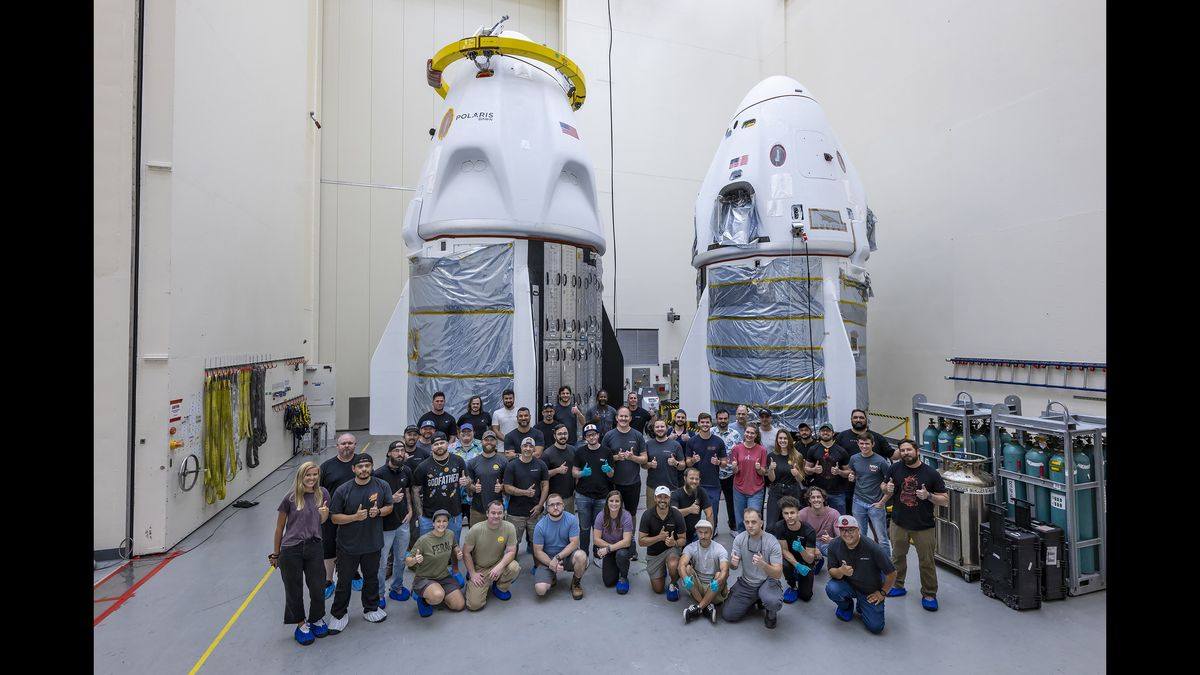
    On 21 August 2024, SpaceX showcased its Dragon capsules for for two significant missions: Polaris Dawn and Crew-9.

    Launch Dates:

    • Polaris Dawn Launch Date: August 26, 2024

    • Crew-9 Launch Date: September 24, 2024

    Polaris Dawn Mission

    Polaris Dawn is the inaugural mission of the Polaris Program, funded by American entrepreneur billionaire, pilot, space tourist and philanthropist Jared Isaacman. It aims to push the boundaries of human spaceflight with a private crewed mission.

    • Crew:

      • Jared Isaacman: Mission Commander

      • Scott “Kidd” Poteet: Pilot

      • Sarah Gillis: SpaceX Engineer

      • Anna Menon: SpaceX Engineer

    • Mission Highlights:

      • First Private Spacewalk: The mission will feature the first-ever private spacewalk.

      • Orbit Altitude: Expected to reach up to 435 miles (700 kilometers) from Earth, further than any crewed mission since the Apollo era.

      • Historical Significance: Sarah Gillis and Anna Menon will become the women who have traveled farther into space than anyone before them.

    Crew-9 Mission

    Crew-9 will be the ninth operational mission for SpaceX, transporting astronauts to and from the ISS.

    • Current Crew Manifest:

      • Alexsandr Gorbunov: Roscosmos

      • Nick Hague: NASA

      • Zena Cardman: NASA

      • Stephanie Wilson: NASA

    • Potential Changes:

      • Possible Inclusion of Williams and Wilmore: Depending on the resolution of the issues with Boeing’s Starliner, Crew-9 might be adjusted to include Suni Williams and Butch Wilmore. They could return to Earth aboard Crew-9 if it is determined that Starliner is not safe for their return.

    Image: The Crew Dragon spacecraft that will fly on the Polaris Dawn and Crew-9 astronaut missions, seen here in a photo SpaceX posted to X on August 21, 2024. (Image credit: SpaceX)

    Image: Polaris Dawn and Crew-9 will launch from Florida’s Space Coast less than a month apart. (Image credit: SpaceX)

  • The Woes of NASA’s Boeing Crew Flight Test

    The Woes of NASA’s Boeing Crew Flight Test

    NASA’s Boeing Crew Flight Test status as of August 20, 2024

    Mission Overview:

    • Launch Date: June 5, 2024

    • Spacecraft: Boeing Starliner

    • Astronauts: Butch Wilmore and Suni Williams

    • Objective: Validate Starliner’s capability for long-duration missions to the ISS and ensure readiness for future crewed flights.

    Current Situation (August 20, 2024):

    • Issues Encountered: Thruster malfunctions and helium system leaks during flight to the ISS.

    • Duration of Stay: Initially planned for about a week, extended due to technical issues.

    • Review Process: NASA plans two reviews – Program Control Board and Agency Flight Readiness Review – to decide on the safe return of the astronauts.

    • Decision Timeline: Expected by the end of August 2024.

    Return Options:

    1. Starliner: If issues are resolved, Butch and Suni could return aboard Starliner.

    2. SpaceX Crew-9: If Starliner remains uncrewed, Butch and Suni would stay until early 2025 and return with SpaceX Crew-9.

    Crew Status:

    • Activities: Performing research, maintenance, and assisting with Starliner testing.

    • Safety: Crew is safe and has the necessary supplies and communication means.

    Contingency Plans:

    • SpaceX Dragon: NASA could adjust SpaceX Crew-9 to accommodate Butch and Suni if needed.

    • Extended Stay: Possible until late February 2025 if Starliner issues are unresolved

    Most Asked Questions:

    1. Why is the Crew Flight Test staying longer than planned?

    • The extension is due to unexpected technical issues with Starliner’s thrusters and helium system. NASA and Boeing are thoroughly analyzing these issues to ensure the spacecraft’s safety for future missions. The extended stay allows for comprehensive testing and data collection.

    2. What if there’s an emergency?

    • Starliner is still the primary option for an emergency return. However, if needed, there are contingency plans involving SpaceX Dragon or extending the mission until a safe return option is available.

    3. How long could Butch and Suni stay if Starliner isn’t used?

    • If Starliner is not used, they could remain on the ISS until late February 2025 and return with SpaceX Crew-9, which would carry fewer astronauts in late September.

    4. Are they prepared for a longer stay?

    • Yes, both astronauts are experienced with long-duration missions and are fully prepared for the potential extension of their stay.

    5. Do they have everything they need?

    • The ISS is well-stocked with essential supplies, and additional cargo is regularly sent by resupply missions, ensuring the crew has everything necessary for their extended stay.

    6. What are their current tasks?

    • Besides monitoring Starliner and conducting research, they are involved in various scientific experiments and maintenance tasks aboard the ISS.

    7. Can they communicate with family?

    • Yes, Butch and Suni have access to email, calls, and video conferences with family and friends.

    8. What other steps is NASA taking for their return?

    • NASA is adjusting the schedules and crew assignments of SpaceX missions to accommodate the potential return of Butch and Suni, ensuring all safety and operational considerations are addressed.

    Overall, NASA is taking a cautious and thorough approach to address the technical issues with Starliner while ensuring the astronauts’ safety and mission objectives are met.

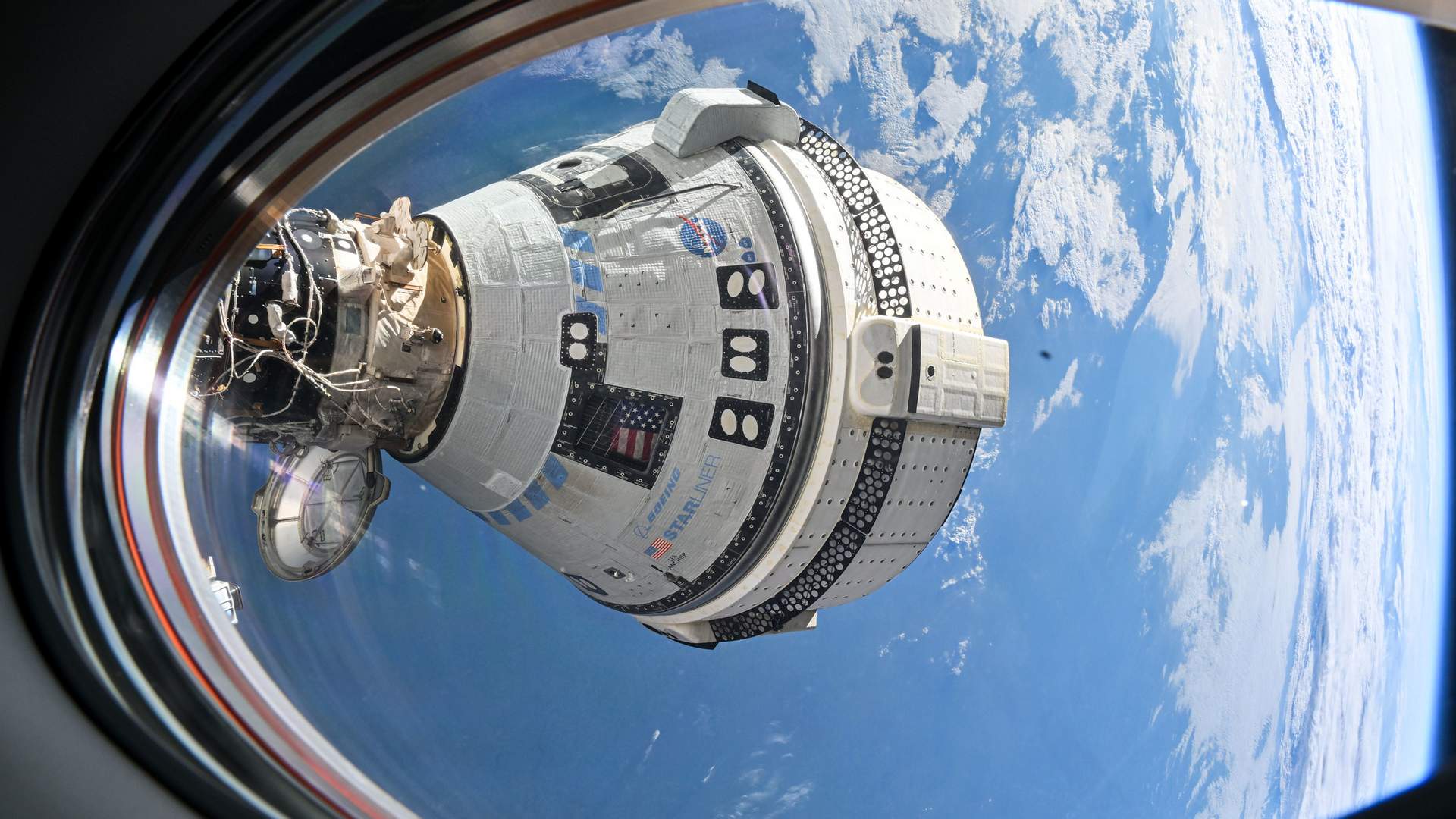
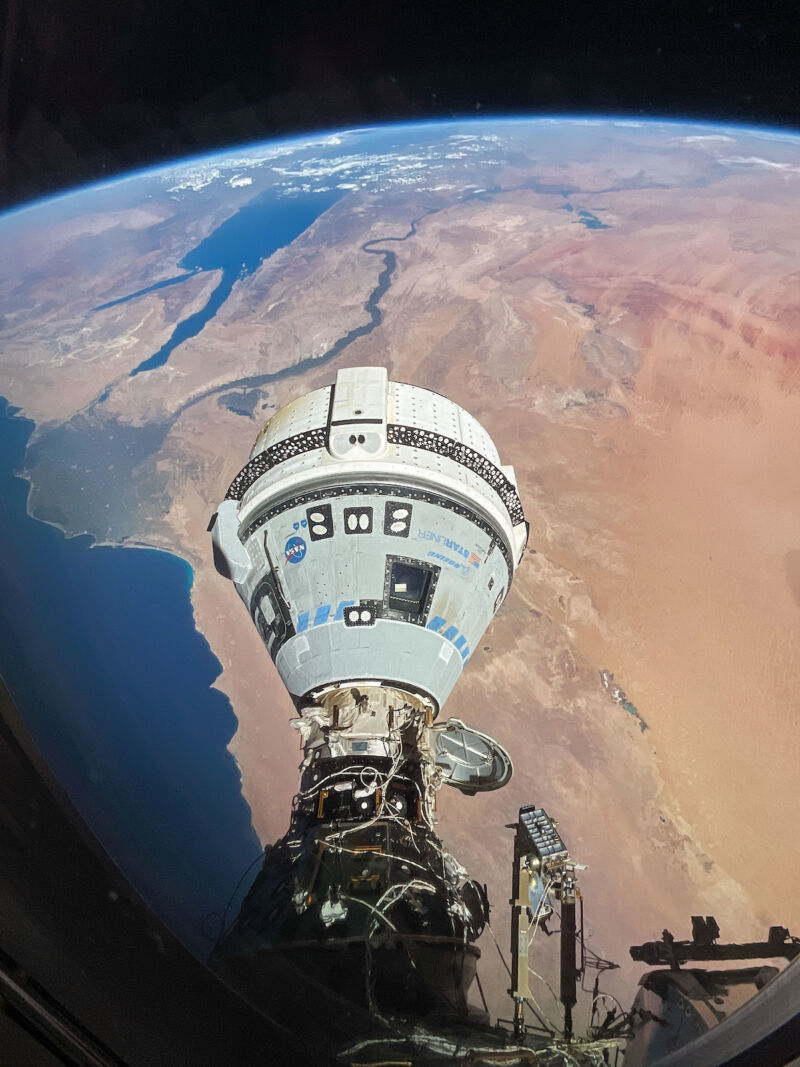
    Image: Starliner docked at the International Space Station. NASA / Boeing

  • Spot NASA’s Advanced Composite Solar Sail System (ACS3) which is now visible in the night sky.

    Spot NASA’s Advanced Composite Solar Sail System (ACS3) which is now visible in the night sky.

    By Brett Tingley

    September 06, 2024

    NASA’s Advanced Composite Solar Sail System (ACS3) can be seen with the naked eye as it orbits Earth, and can be tracked with a helpful app.

    An experimental NASA solar sail can be seen in the night sky as it orbits the Earth.

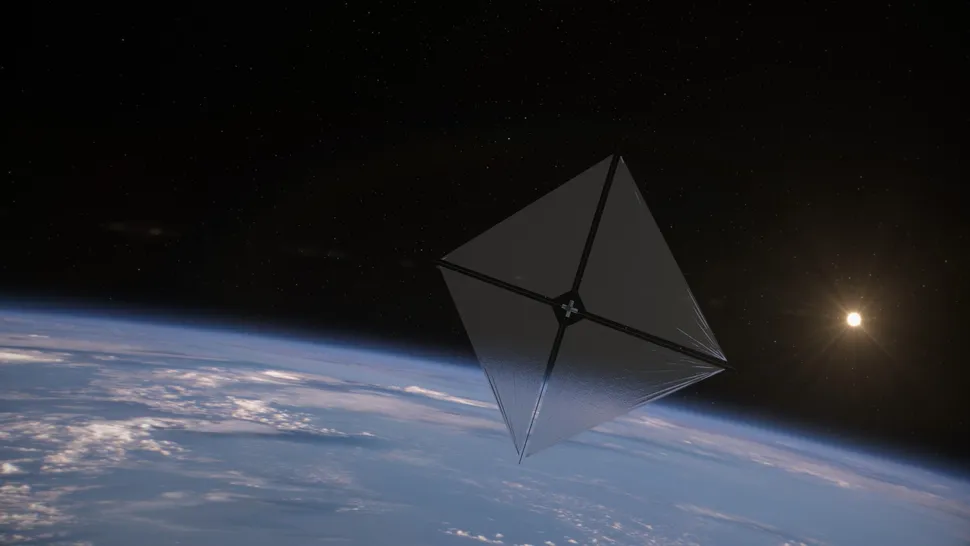
    NASA’s Advanced Composite Solar Sail System (ACS3) launched in April 2024 atop a Rocket Lab Electron rocket. The mission is designed to test solar sail technology to help NASA develop larger spacecraft in the future using this next-generation propulsion system. Solar sails work similarly to nautical sails, but instead of being pushed by wind, they are impacted by the pressure of sunlight as photons bounce off the reflective material they are made from.

    On August 29, the ACS3 spacecraft deployed its 80-square-metre solar sail while operating at an altitude about 1,000 kilometres above Earth, which is nearly twice as high as the International Space Station. As the ACS3 spacecraft orbits Earth, its large surface area means it reflects enough sunlight to be seen from the ground. Under some conditions, the solar sail demonstrator could even appear as bright as Sirius, the brightest star in the night sky. If you want to see it for yourself, you are in luck: NASA has an app that lets you track sighting opportunities from your location.


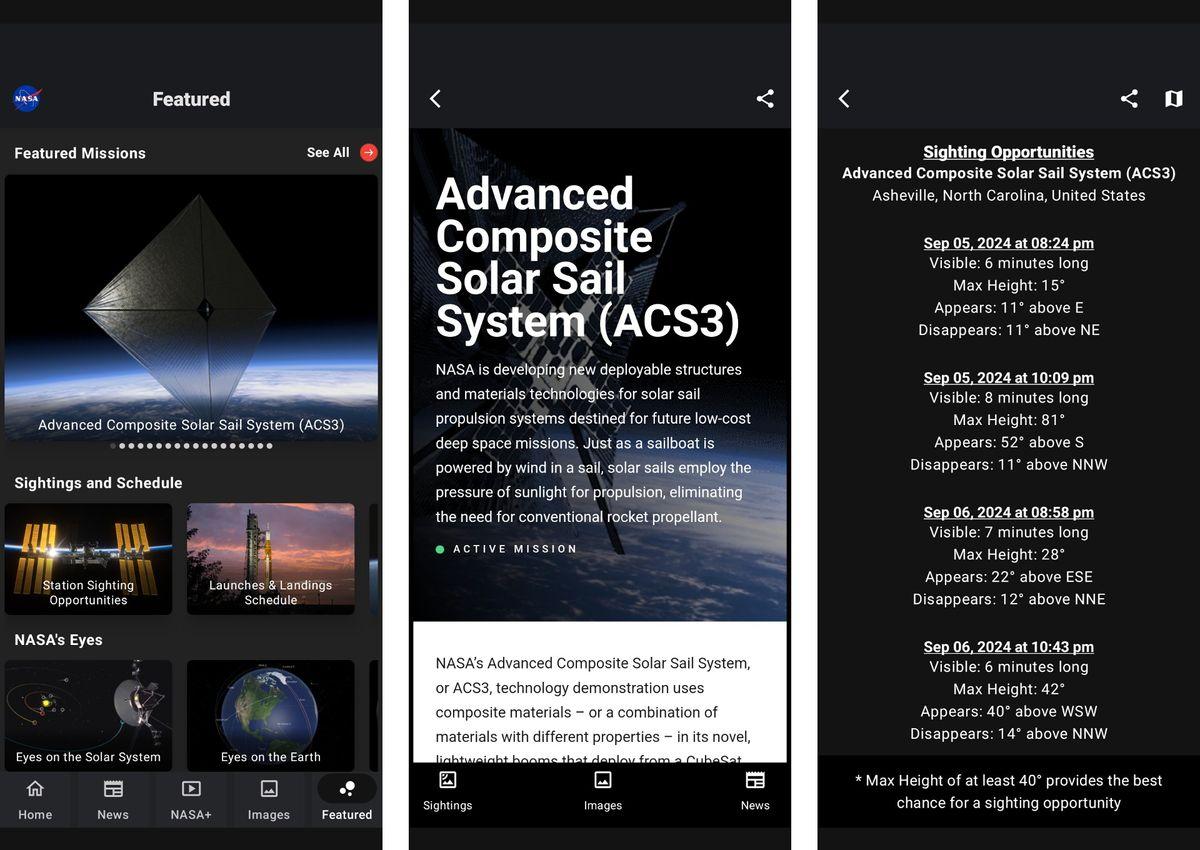
    To most easily see NASA’s ACS3 solar sail, you will want to download the official NASA app from the Google Play Store or Apple App Store.

    From there, navigate to the “Featured” tab at the bottom of the app. You should see a section for the Advanced Composite Solar Sail System (ACS3) under “Featured missions.”

    Once you tap on that mission, you will be able to then tap on “Sightings.” If you’ve allowed the app to access your location, the app will give you a list of times and dates for when you’ll be able to see NASA’s solar sail, including in what direction of the sky it will be visible, its celestial altitude and the duration of each sighting.

    Satellite tracker Kevin Fetter caught ACS3 on camera on September 05 as it passed near one of the brightest stars in the night sky. “It got bright for a short time as it was passing by the star. Briefly it was just as bright as Vega, the 5th brightest star in the night sky,” Fetter stated to Space.com.


    Some researchers believe solar sails could advance space travel in the future by allowing the development of spacecraft that are lightweight yet can still travel great distances without the need for carrying heavy fuels.

    Solar sails can theoretically also reach high speeds, as it is believed their unique method of propulsion can grant them infinite acceleration.

    Solar sails could lower the cost of deep space exploration while also enabling missions of long durations, since their fuel supplies never exhaust. If ACS3 can successfully manoeuvre in orbit and succeed in its mission, it could potentially help develop more advanced solar sail spacecraft.

    “The hope is that the new technologies verified on this spacecraft will inspire others to use them in ways we haven’t even considered,” said Alan Rhodes, the ACS3 mission’s lead systems engineer at NASA’s Ames Research Centre, in an agency statement.

    Scientists have already proposed using solar sails to send missions to Saturn’s moon Enceladus or Jupiter’s moon Europa, while the Breakthrough Starshot initiative has for years suggested that solar sails propelled by lasers could reach Alpha Centauri, the closest star system to our own, to search for life.

    Image #1: This artist’s concept shows the Advanced Composite Solar Sail System spacecraft sailing in space using the energy of the sun. (Image credit: NASA/Aero Animation/Ben Schweighart)


    Image #2: Screenshots of the NASA app and the features of its Advanced Composite Solar Sail System (ACS3) section. (Image credit: Future/Brett Tingley)

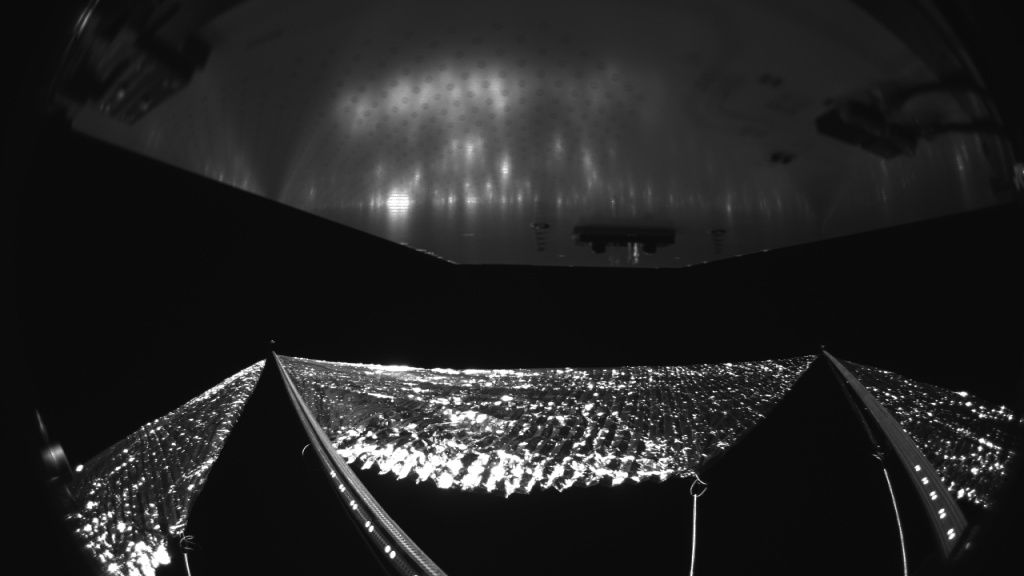
    Image #3: A photo taken from aboard NASA’s Advanced Composite Solar Sail System (ACS3) spacecraft. (Image credit: NASA)

  • SpaceX’s Crew Dragon to Bring Home NASA’s Boeing Starliner Astronauts in February 2025.

    SpaceX’s Crew Dragon to Bring Home NASA’s Boeing Starliner Astronauts in February 2025.

    NASA has decided that astronauts Suni Williams and Butch Wilmore, who launched to the International Space Station (ISS) aboard Boeing’s Starliner spacecraft in June 2024, will return to Earth aboard a SpaceX Dragon capsule in February 2025, rather than on the Starliner. This decision follows a series of concerns and setbacks related to the Starliner’s thrusters, which have extended the astronauts’ stay in orbit far beyond the originally planned eight days.

    NASA Administrator Bill Nelson confirmed that lessons from the Challenger and Columbia space shuttle disasters influenced this decision. He emphasized the importance of a culture that prioritizes safety and encourages open communication, a response to the issues that led to the loss of both shuttles and their crews. The Challenger disaster in 1986 was caused by a failure in the shuttle’s solid rocket booster, and the Columbia disaster in 2003 occurred due to damage sustained during launch, leading to the shuttle’s breakup upon re-entry. Nelson stated:

    “So, NASA, ever since, has tried very hard to bring about an atmosphere in which people are encouraged to step forward and speak their mind, and I

    think, right, today is a good example of that.”

    Nelson and NASA Associate Administrator Jim Free highlighted ongoing uncertainty regarding the Starliner’s thrusters, noting that further work is required to fully understand the issues. NASA and Boeing will proceed with the uncrewed return of the Starliner in early September 2024, allowing the spacecraft to undergo more thorough testing and data collection. Free stated:

    “Uncertainty remains in our understanding of the physics going on in the thrusters. And so, we still have some work to do.”

    Nelson, later asked if politics played a role in NASA’s decision, reiterated the cases of Challenger and Columbia.

    “I can tell you unequivocally, from a personal standpoint, that politics has not played any part in this decision. What I said earlier about Challenger and Columbia and the lessons learned and what we’ve tried to change in a culture,

    in order that safety is our North Star, is what we are trying to do. In a very hostile environment in which, if you make a mistake, it’s very unforgiving.”

    The Crew-9 mission will be modified to accommodate Williams and Wilmore, with the Dragon capsule launching in September 2024 with just two astronauts instead of the usual four. NASA and Boeing will continue to work towards resolving the Starliner’s issues, aiming to ensure its safety for future crewed missions.

    The timeline of the Starliner program has been marked by innumerable delays and technical challenges since its inception in 2010. These have included software glitches, propulsion system issues, parachute system and wiring harnesses issues, and problems with the spacecraft’s thrusters – all leading to repeated postponements of both uncrewed and crewed flights. The Crew Flight Test (CFT) mission, which finally launched on June 05, 2024, was plagued by issues during its approach to the ISS, leading to the decision to return the astronauts on a different spacecraft.

    Timeline of Issues – July 2010 to August 2024

    • July 2010: NASA awards Boeing a $92.3 million contract to develop the CST-100 Starliner as part of its Commercial Crew Program, aimed at providing safe and reliable transport to the ISS after the Space Shuttle program is retired. Boeing stated that the capsule would draw upon its experience with NASA’s Apollo, Shuttle and ISS programs, as well as the Orbital Express project sponsored by the Department of Defense.

    • September 2014: NASA officially chooses Boeing and awards an additional $4.2 billion contract to complete development and certify the Starliner for crewed missions, positioning it as a competitor to SpaceX’s Crew Dragon. The contracts included at least one crewed flight test with at least one NASA astronaut aboard.

    • December 20, 2019: Starliner embarks on its first uncrewed Orbital Flight Test (OFT-1), but mission does not go as planned. A series of software glitches prevents the spacecraft from reaching the ISS, forcing it to return to Earth prematurely. Despite this, the landing is deemed successful, demonstrating some aspects of the spacecraft’s design and capabilities.

    • March 2020: NASA and Boeing announced an extensive review of the Starliner’s software and systems, leading to a delay in future flights after the failed OFT mission. The Independent Review Team identified several software glitches and gave 80 recommendations for Boeing to address before another uncrewed flight.

    • August 03, 2021: The second uncrewed test flight, OFT-2, is postponed due to a valve issue in the spacecraft’s propulsion system. Boeing undertakes extensive rework and testing to resolve the issue. The launch is delayed several more times, with the new date set for May 2022.

    • May 19, 2022: After thorough analysis and corrective actions, OFT-2 successfully launches, completing its mission to the ISS and paving the way for the Crew Flight Test (CFT). Starliner stays parked at the ISS for four days.

    • June 16, 2022: NASA confirms that the CFT mission will be a two-person flight test, consisting of veteran NASA astronauts Barry E. Wilmore and Sunita Williams, with Michael Fincke selected as a backup.

    • July 2023: After various delays bump the planned launch of the Crew Flight Test to July 2023, Boeing announces an indefinite delay due to issues with the parachute system and wiring harnesses, pushing the planned Crew Flight Test to late 2024.

    • May 06, 2024: Boeing announces that the Crew Flight Test is tentatively set for launch on May 06, but was scrubbed due to an oxygen valve problem on the rocket.

    • May 18, 2024: A helium leak discovered by NASA engineers scrubs the launch. The launch team deemed the leak a minor issue and clears the Crew Flight Test. Engineers traced the leak to a component on one of the propulsion system’s 28 control thrusters used for manoeuvring in Earth’s orbit.

    • June 01, 2024: The flight is again scrubbed just prior to launch after one of the spacecraft’s three redundant computers fails to synchronize with the others, just 3 minutes and 50 seconds before liftoff.

    • June 05, 2024: The CFT finally lifts off on the Atlas V rocket on its third launch attempt, with the crew initially expecting to spend around eight days in orbit as a test-run for the Starliner in its first manned flight, before returning to Earth on June 14.

    • June 06, 2024: On approach to the ISS, both automated systems failed, with astronauts taking manual control during the docking sequence whilst being instructed to repeatedly fire the RCS thrusters. This stress testing revealed performance degradation in the thrusters, leading the spacecraft software to consider five of them damaged and unusable, and a helium leak developing in the service module. The five failed thrusters were all aft facing, resulting in a loss of six degrees of freedom attitude control until four of them were restored. The astronauts were able to safely dock the capsule to the ISS.

    • June 14, 2024: Nine days after their arrival at the ISS, the undocking date is pushed back to June 22. The astronauts have a call with Boeing mission managers to discuss the end of the mission, and then enter Starliner to review the spacecraft’s flight operations and procedures.

    • June 22, 2024: Responding to media pressure, Boeing states the problems with Starliner that have caused the astronauts to remain on the ISS were corrected but confirms there are no updates on when the return mission would happen. A Boeing spokesperson said that the helium leaks and majority of thruster problems on the Starliner spacecraft had been deemed stable and “not a concern” for Starliner’s return to Earth. Testing in New Mexico were part of this extended evaluation period to ensure the spacecraft’s readiness and safety for future missions.

    • June 26, 2024: NASA astronauts Sunita Williams and Butch Wilmore in an interview from the ISS expressed strong confidence in the Boeing Starliner capsule’s ability to return them safely to Earth. They said their delayed departure from the ISS was necessary for a full examination of the Starliner’s technical issues.

    • August 24, 2024: NASA announces that Boeing’s Starliner will return Earth in early September without astronauts Butch Wilmore and Suni Williams aboard the spacecraft.

    • August 24, 2024: Wilmore and Williams will continue their work on the ISS formally as part of the Expedition 71/72 crew through February 2025. They will fly home aboard a Dragon spacecraft with two other crew members assigned to the agency’s SpaceX Crew-9 mission.

    Despite all these challenges, NASA and Boeing remain committed to the Starliner program, with the upcoming uncrewed return flight expected to provide critical data for future improvements and certification of the spacecraft for regular missions.

    Source: NASA

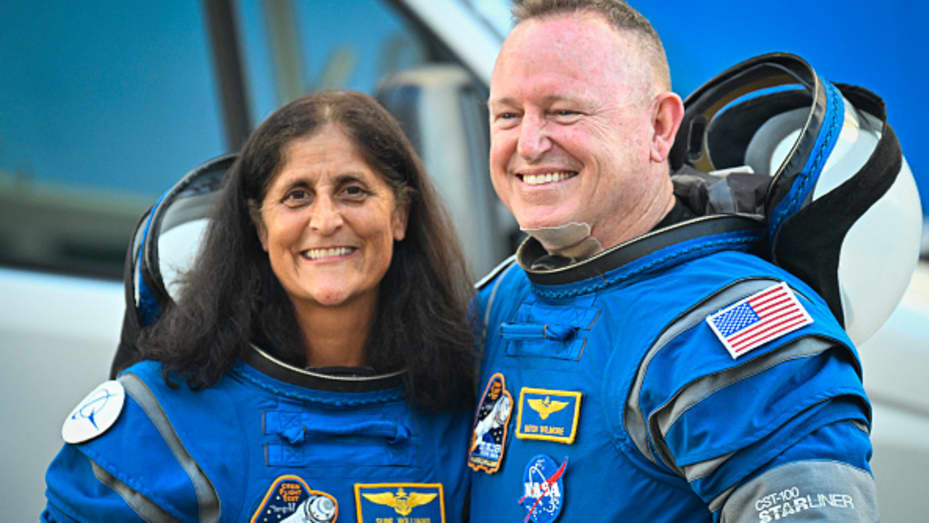
    Image#1: NASA Astronauts Suni Williams and Butch Wilmore prior to first crewed launch of Boeing’s Starliner

    Image #2: View of Starliner docked at the ISS

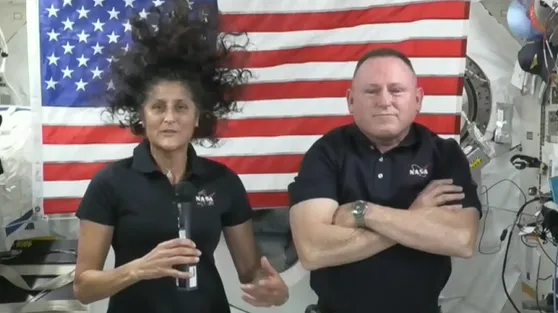
    Image #3: Astronauts Suni Williams and Butch Wilmore in press conference from the ISS

  • Promising Phase Change Material for use in Space Habitats

    Promising Phase Change Material for use in Space Habitats

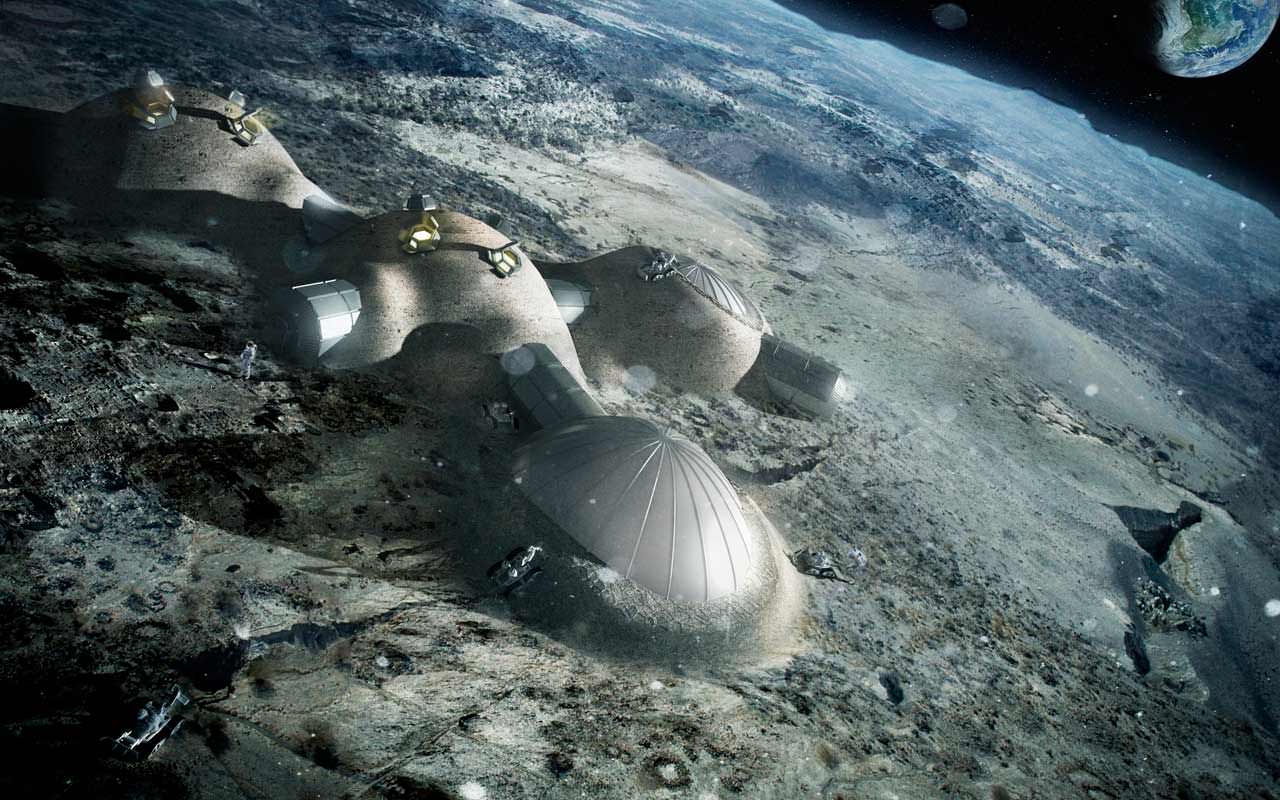
    The potential of Phase Change Materials (PCMs) to control the internal temperature of space habitats is a promising innovation, particularly given the extreme temperature fluctuations that occur in space environments like the Moon. With temperatures soaring to 121 °C during the lunar day and plummeting to -133 °C at night, maintaining a stable internal climate within a habitat is a formidable challenge. Traditional heating and cooling systems would need to work on an unprecedented scale, making passive temperature regulation methods like PCMs incredibly valuable.

    PCMs are already utilized in various industries on Earth, including in batteries, solar power plants, and even building insulation, due to their ability to absorb and release heat over time. This capability stems from their large thermal inertia, which allows them to absorb significant amounts of energy during phase changes, such as from solid to liquid or liquid to gas, and then gradually release that energy as temperatures decrease. For instance, n-octadecane, a PCM mentioned in the study, transitions at around 28 °C, making it ideal for stabilizing room temperatures close to that level.

    The research conducted by the Universidad Politecnica de Madrid involved modeling the effects of incorporating PCMs into the walls of a space habitat. The results indicated that the heating and cooling demands could be significantly reduced, potentially enabling passive temperature control under optimal conditions. This would be a major breakthrough in designing energy-efficient space habitats, especially in environments where energy resources are scarce.

    However, several challenges remain. The practicality of using PCMs in conjunction with local materials like lunar regolith is still uncertain, and the cost and logistics of transporting enough PCM to regulate a large habitat’s temperature could be prohibitive with current technology. Despite these hurdles, the ongoing development of materials and technologies suggests that PCMs could play a crucial role in future space habitats. While they might not be part of the initial habitats built by humanity in space, they are likely to be integrated into more advanced designs as our capabilities evolve. This research marks an important step toward realizing that future.


    Journal Article:

    Borshchak Kachalov A, Salgado Sánchez P, Martínez U, Ezquerro JM. Preliminary Design of a Space Habitat Thermally Controlled Using Phase Change Materials. Thermo. 2023; 3(2):232-247. https://doi.org/10.3390/thermo3020014

  • NASA’s James Webb Space Telescope (JWST) – Quick Facts

    NASA’s James Webb Space Telescope (JWST) – Quick Facts

    The James Webb Space Telescope (JWST) is a cutting-edge space telescope developed by NASA in collaboration with the European Space Agency (ESA) and the Canadian Space Agency (CSA).

    It was launched on December 25, 2021, and is designed to be the successor to the Hubble Space Telescope. JWST is the most powerful space telescope ever built, and it’s designed to observe the universe in infrared wavelengths, which allows it to see farther back in time and space than previous telescopes.

    Key Features of the JWST:

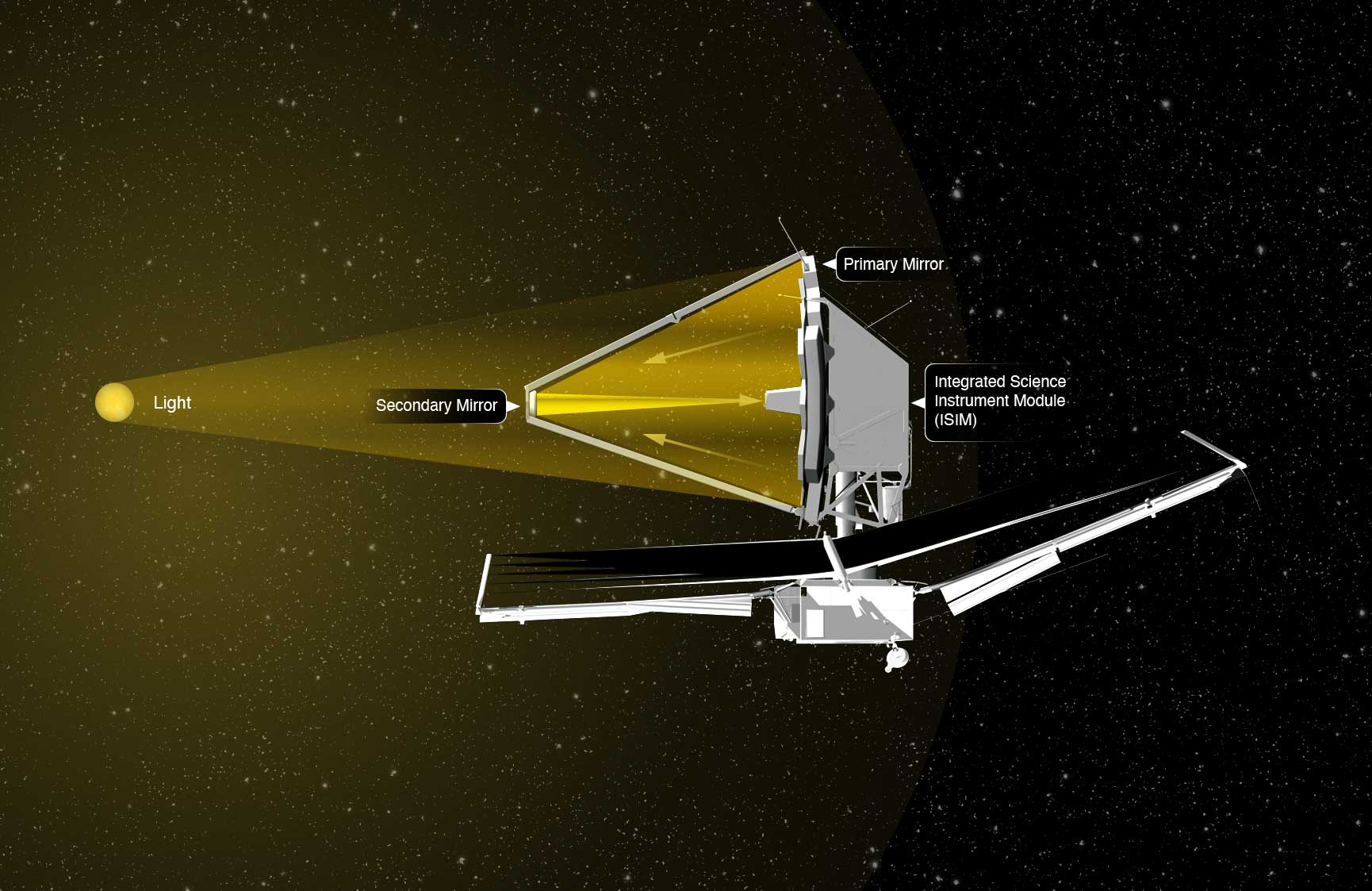
    • Primary Mirror: It has a large primary mirror that is 6.5 meters  in diameter, made up of 18 hexagonal segments. This allows it to collect more light and see distant objects with greater clarity.

    • Infrared Observation: JWST primarily observes in the infrared spectrum, which enables it to look through dust clouds and detect the faint light of distant stars and galaxies that formed just a few hundred million years after the Big Bang.

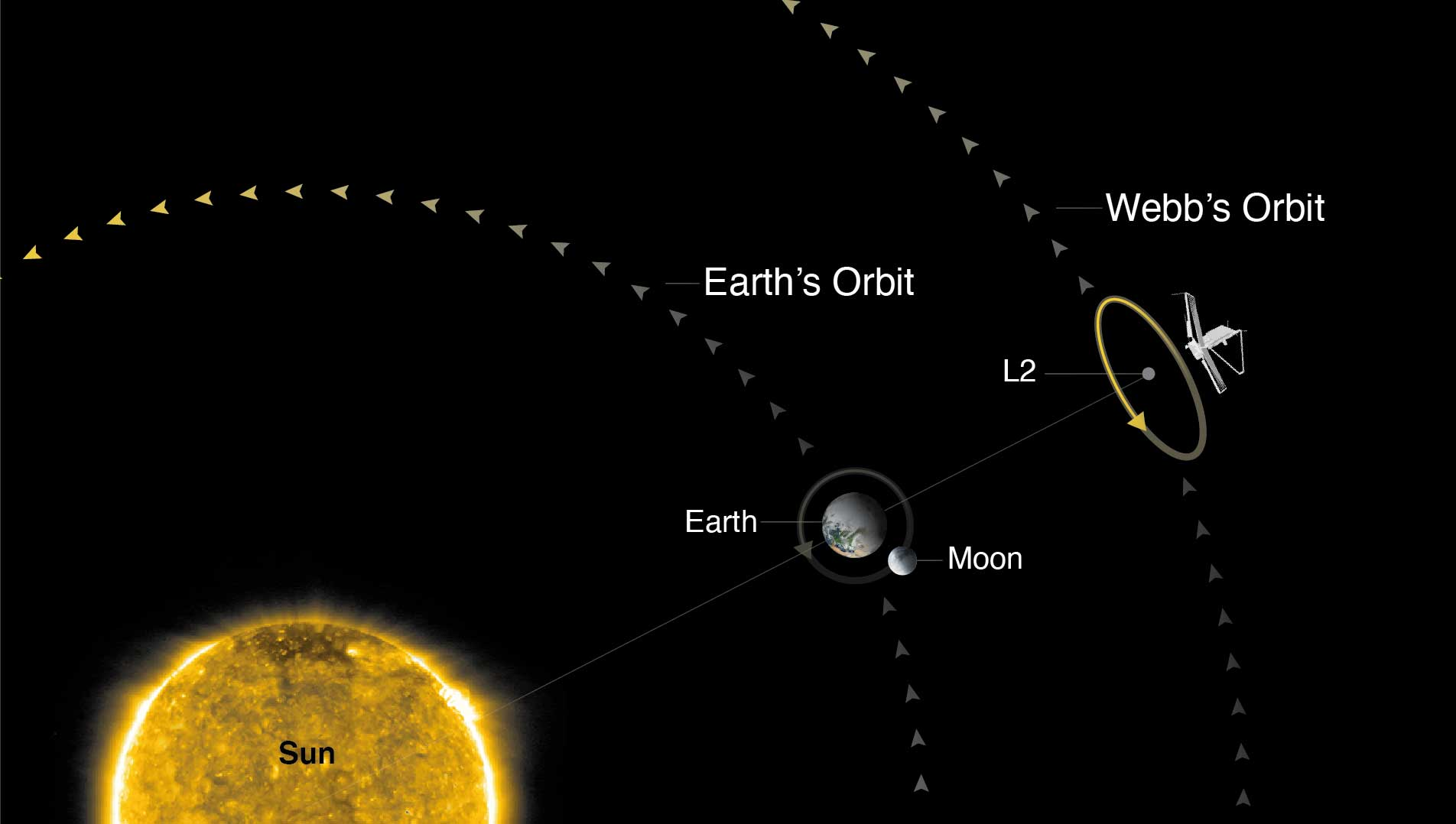
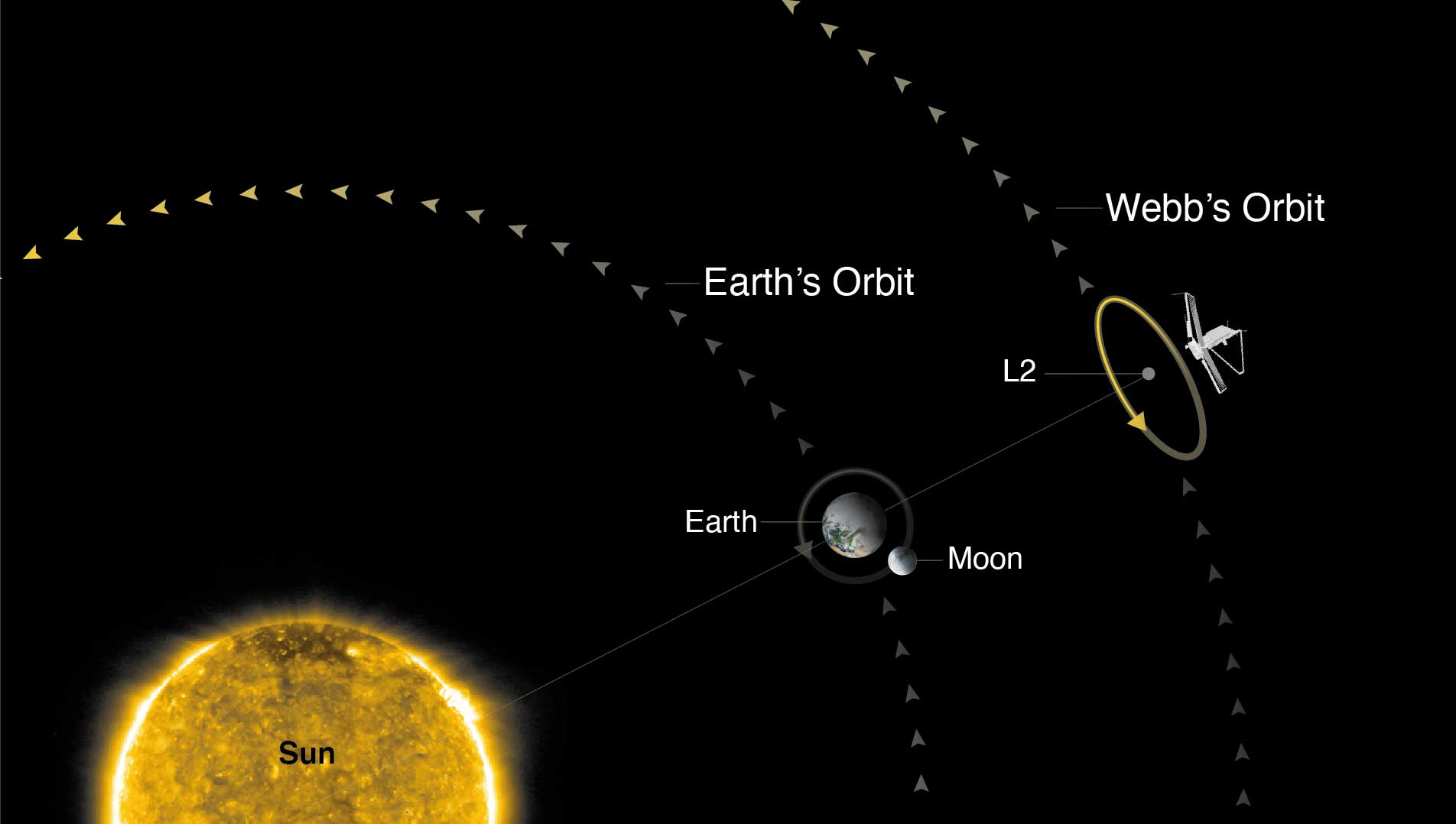
    • L2 Orbit: JWST is positioned at the second Lagrange point (L2), about 1.5 million kilometres from Earth. This location offers a stable environment for observation and helps the telescope stay cool.

    • Advanced Instruments: JWST is equipped with several state-of-the-art instruments, including:

      • NIRCam (Near-Infrared Camera)

      • NIRSpec (Near-Infrared Spectrograph)

      • MIRI (Mid-Infrared Instrument)

      • FGS/NIRISS (Fine Guidance Sensor/Near Infrared Imager and Slitless Spectrograph)

    Major Goals:

    1. Study the formation of stars and planetary systems.

    2. Observe distant galaxies and the early universe, probing the first billion years after the Big Bang.

    3. Explore the atmospheres of exoplanets to search for potential signs of life.

    JWST is revolutionizing our understanding of the universe, giving scientists the ability to explore deep cosmic history, distant planets, and the processes that shaped our solar system.

    Image #1: Webb will orbit the Sun near the second Sun-Earth Lagrange point (L2), which lies approximately 1.5 million kilometres from Earth on the far side of Earth from the Sun. Webb will not be located precisely at L2, but will move in a halo orbit around L2 as it orbits the Sun. In this orbit, Webb can maintain a safe distance from the bright light of the Sun, Earth, and Moon, while also maintaining its position relative to Earth. Credit: STScI.

    Image #2: Webb’s primary mirror intercepts red and infrared light traveling through space and reflects it onto a smaller secondary mirror. The secondary mirror then directs the light into the scientific instruments where it is recorded. Credit: STScI.

  • Horsehead Nebula (Euclid, Hubble, and Webb images)

    Horsehead Nebula (Euclid, Hubble, and Webb images)

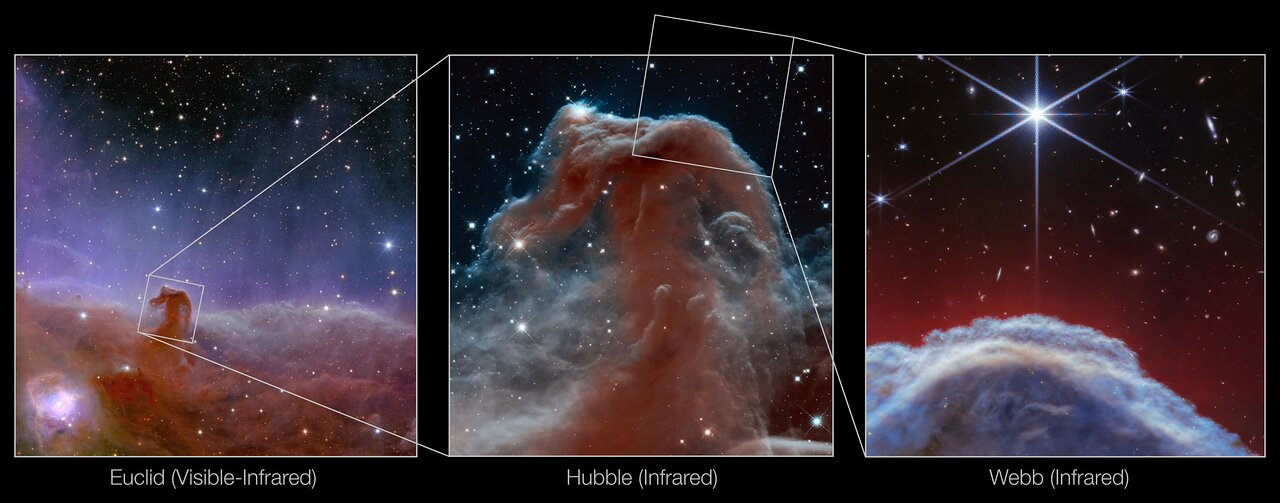
    This image showcases three views of one of the most distinctive objects in our skies, the Horsehead Nebula.

    This object resides in part of the sky in the constellation Orion (The Hunter), in the western side of the Orion B molecular cloud. Rising from turbulent waves of dust and gas is the Horsehead Nebula, otherwise known as Barnard 33, which resides roughly 1300 light-years away.

    The First Image (left):

    Released in November 2023, it features the Horsehead Nebula as seen by ESA’s Euclid telescope. Euclid captured this image of the Horsehead in about one hour, which showcases the mission’s ability to very quickly image an unprecedented area of the sky in high detail.

    The Second Image (middle):

    This image shows the NASA/ESA Hubble Space Telescope’s infrared view of the Horsehead Nebula, which was featured as the telescope’s 23rd anniversary image in 2013. This image captures plumes of gas in the infrared and reveals a beautiful, delicate structure that is normally obscured by dust.

    The Third Image (right): 

    The image features a new view of the Horsehead Nebula from the NASA/ESA/CSA James Webb Space Telescope’s NIRCam (Near-InfraRed Camera) instrument. It is the sharpest infrared image of the object to date, showing a part of the iconic nebula in a whole new light, and capturing its complexity with unprecedented spatial resolution.


    Image: A collage of three images of the Horsehead Nebula. In the left image labelled “Euclid (Visible-Infrared)”, the Nebula is seen amongst its surroundings. A small box around it connects to the second image labelled “Hubble (Infrared)”, where the Nebula is zoomed in on. A portion of the Nebula’s head has another box, which leads with a callout to the third image, labelled “Webb (Infrared)”, of that area.